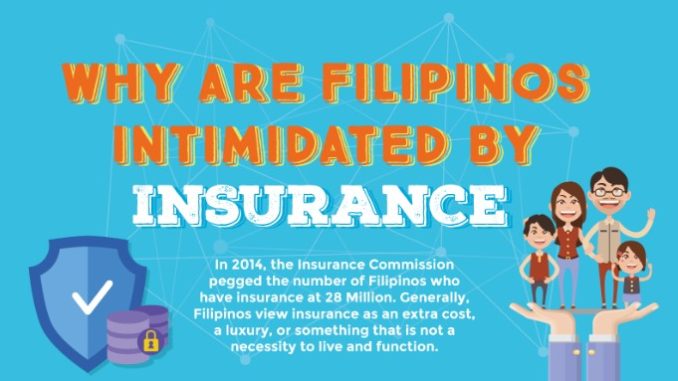
Insurance has a reputation for being complex, dry, and at times overwhelming. For many people, just hearing the word conjures images of dense paperwork, confusing terminology, and long conversations filled with acronyms. It’s no wonder that so many individuals and business owners hesitate to engage with it until absolutely necessary. But insurance doesn’t have to feel intimidating. In fact, when approached with the right mindset and tools, it can become one of the most empowering aspects of financial planning and risk management. The key lies in demystifying the process and making it feel more approachable, relevant, and even—dare we say—interesting.
One of the reasons insurance feels daunting is that it’s often presented in a way that’s disconnected from everyday life. Policies are filled with legal language and technical details that can make even the most seasoned professional pause. But at its core, insurance is about protection. It’s about making sure that when something unexpected happens—whether it’s a car accident, a health issue, or a business interruption—there’s a plan in place to help you recover. Framing insurance in terms of real-life scenarios makes it easier to understand and relate to. Instead of focusing on clauses and exclusions, think about what the policy enables you to do. It allows you to take risks, make investments, and move forward with confidence.
Another way to make insurance feel less intimidating is to treat it as a conversation rather than a transaction. Too often, people approach insurance as a one-time purchase, something to check off a list and forget about. But insurance works best when it’s part of an ongoing dialogue—between you and your advisor, your broker, or even your team. Asking questions, sharing concerns, and discussing goals can transform the experience from a passive obligation into an active strategy. For example, a small business owner might feel overwhelmed by the idea of commercial insurance. But by talking through their operations, growth plans, and potential risks with a knowledgeable advisor, they can build a policy that feels tailored and manageable.
Technology also plays a role in reducing intimidation. Digital platforms have made it easier than ever to compare policies, get quotes, and manage coverage. Interactive tools can break down complex concepts into digestible pieces, helping users understand what they’re buying and why it matters. Some insurers even offer chat-based support or visual dashboards that show coverage levels and claims history in a clear, user-friendly format. These innovations remove the mystery and give people more control over their insurance experience. When you can see your coverage laid out in plain terms, it becomes less abstract and more actionable.
Education is another powerful antidote to intimidation. The more you understand about how insurance works, the more confident you’ll feel navigating it. That doesn’t mean you need to become an expert overnight, but taking the time to learn the basics—like what a deductible is, how premiums are calculated, or what types of coverage are available—can make a big difference. Many insurers and financial institutions offer resources designed specifically for this purpose, from webinars and articles to one-on-one consultations. Engaging with these materials at your own pace allows you to build knowledge gradually, without pressure or confusion.
It’s also helpful to remember that insurance is not one-size-fits-all. The idea that you need to understand every type of policy or master every detail is a myth. What matters most is understanding the coverage that’s relevant to your life or business. If you’re a freelancer, you might focus on health insurance and professional liability. If you’re a homeowner, property and personal liability will be more important. By narrowing your focus to what truly applies, you can avoid feeling overwhelmed and start making informed decisions. This targeted approach makes the process feel more manageable and less like an endless maze.
Personalization goes hand in hand with relevance. When insurance reflects your specific needs, goals, and circumstances, it feels more like a partnership than a product. That’s why working with a trusted advisor or broker can be so valuable. These professionals can help you navigate options, explain terms, and advocate on your behalf. They can also help you adjust coverage as your situation evolves, ensuring that your insurance continues to serve you effectively. Building this kind of relationship turns insurance from a source of stress into a source of support.
Finally, it’s important to shift the narrative around insurance. Instead of viewing it as something to fear or avoid, see it as a tool for empowerment. Insurance doesn’t just protect against loss—it enables progress. It allows entrepreneurs to launch ventures, families to buy homes, and individuals to pursue their goals with confidence. It’s a quiet force that supports resilience, stability, and growth. When you understand its purpose and see its impact, it becomes less intimidating and more inspiring.
Making insurance feel less intimidating is about changing the way we engage with it. It’s about bringing clarity to complexity, relevance to abstraction, and humanity to a traditionally impersonal process. With the right mindset, resources, and support, insurance can become not just understandable, but indispensable. And once that shift happens, the conversation changes—from one of confusion and avoidance to one of confidence and possibility.