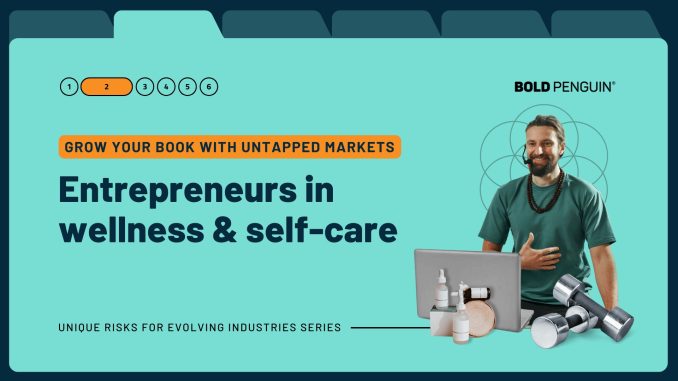
When people think of self-care, their minds often drift to spa days, meditation, or perhaps a weekend getaway to recharge. While these are certainly valuable practices, there’s another, less glamorous but equally vital form of self-care that often goes overlooked: insurance. At first glance, insurance might seem like a purely financial or administrative concern, something you deal with out of obligation rather than intention. But when viewed through a broader lens, insurance is a powerful act of self-preservation—one that safeguards not only your assets but your peace of mind, your future, and the well-being of those you care about.
The essence of self-care lies in taking proactive steps to protect and nurture your physical, emotional, and financial health. Insurance fits squarely within this framework. It’s a mechanism that allows individuals and families to prepare for the unexpected, to create a buffer between life’s uncertainties and their long-term goals. Whether it’s health insurance that ensures access to medical care, life insurance that provides for loved ones in your absence, or property insurance that shields your home from disaster, each policy is a statement: I value my well-being and that of those around me enough to plan ahead.
Consider the emotional toll of uncertainty. Living without insurance can mean carrying a constant, low-grade anxiety about what might happen if things go wrong. A sudden illness, a car accident, or a natural disaster can upend lives in an instant. Without a safety net, these events can lead to financial ruin, forcing people to make impossible choices between paying for care and covering basic needs. Insurance doesn’t eliminate risk, but it transforms it into something manageable. Knowing that you have coverage in place allows you to focus on recovery, not just survival. That sense of security is a form of emotional self-care—one that fosters resilience and reduces stress.
From a business perspective, the parallels are just as compelling. Entrepreneurs and executives often talk about risk management in terms of strategy and operations, but personal risk is just as critical. A founder who lacks adequate health insurance, for instance, may find themselves sidelined by illness at a crucial moment, jeopardizing not only their own well-being but the future of their company. Similarly, a small business without liability or property insurance is vulnerable to disruptions that could derail years of hard work. In this context, insurance becomes a foundational element of sustainable leadership. It’s not just about protecting assets; it’s about preserving the capacity to lead, to innovate, and to endure.
There’s also a psychological dimension to insurance that aligns with the principles of self-care. At its best, self-care is about empowerment—about taking control of your circumstances rather than being at their mercy. Purchasing insurance is a deliberate act of empowerment. It says, “I recognize that I can’t predict the future, but I can prepare for it.” This mindset shift is crucial, especially in a world where volatility is the norm. From economic downturns to climate-related events, the modern landscape is rife with unpredictability. Insurance offers a way to navigate that uncertainty with confidence, knowing that you’ve taken steps to protect what matters most.
Moreover, insurance can serve as a tool for fostering healthier behaviors. Many health insurance providers now offer incentives for preventive care, wellness checkups, and healthy lifestyle choices. This alignment of financial and physical well-being reinforces the idea that taking care of yourself is not only good for your health but also for your bottom line. Similarly, auto insurers may offer discounts for safe driving habits, while home insurers might reward proactive maintenance. These programs create a feedback loop where responsible behavior is both encouraged and rewarded, further embedding self-care into everyday decisions.
It’s also worth noting that insurance can be a form of care for others. Life insurance, for example, is often framed as a way to provide for dependents in the event of an untimely death. But beyond the financial support, it sends a powerful message: that you’ve thought about your family’s future and taken steps to ensure their stability. This kind of foresight is a profound expression of love and responsibility. It’s a way of saying, “Even if I’m not here, I’ve got you covered.” In this sense, insurance becomes a bridge between self-care and care for others, reinforcing the interconnectedness of our well-being.
Of course, the process of selecting and managing insurance can feel daunting. Policies are often dense with jargon, and the sheer number of options can be overwhelming. But this is where the self-care analogy becomes even more relevant. Just as we invest time and effort into understanding our nutritional needs or mental health, we can approach insurance with the same intentionality. Working with a trusted advisor, asking questions, and educating ourselves about our options are all part of the process. And just like any other form of self-care, the benefits compound over time. The effort you put in today can yield peace of mind and protection for years to come.
In the end, reframing insurance as a form of self-care isn’t just a semantic exercise—it’s a shift in perspective that can lead to more thoughtful, empowered decision-making. It encourages us to see beyond the premiums and paperwork, to recognize the deeper value of being prepared. In doing so, we not only protect our assets but also nurture our sense of security, agency, and well-being. And that, perhaps, is the most essential kind of care we can give ourselves.