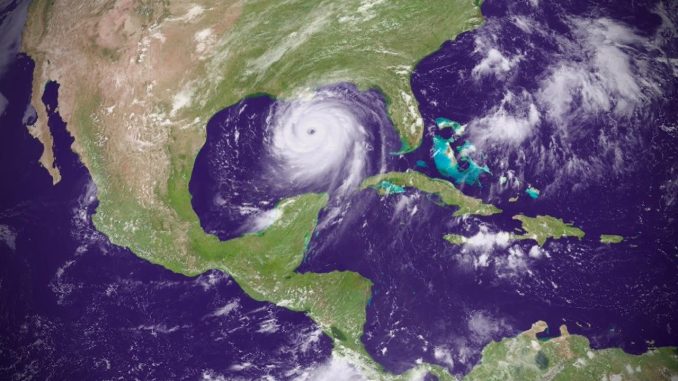
The insurance industry has always been in the business of managing uncertainty, but climate change is reshaping the very nature of that uncertainty. As weather patterns grow more erratic and natural disasters become more frequent and severe, insurers are being forced to rethink traditional models, recalibrate risk assessments, and redefine what protection looks like in a world where the unexpected is becoming the norm. The future of insurance in a climate-changing world is not just about adapting to new risks—it’s about transforming the way coverage is conceived, priced, and delivered.
One of the most immediate challenges is the rising cost of claims. Floods, wildfires, hurricanes, and heatwaves are no longer rare events—they’re recurring threats that strain the financial resilience of insurers and policyholders alike. In regions where disasters were once occasional, they are now seasonal. This shift has led to higher premiums, tighter underwriting standards, and in some cases, the withdrawal of coverage altogether. Insurers must balance the need to remain solvent with the imperative to provide meaningful protection. That tension is driving innovation, but it’s also exposing gaps in the current system.
Traditional actuarial models, which rely heavily on historical data, are struggling to keep pace with the volatility of climate-related risks. Past trends are no longer reliable predictors of future events. As a result, insurers are turning to advanced analytics, satellite imagery, and climate science to build more dynamic models. These tools allow for real-time monitoring and more granular risk segmentation, but they also require significant investment and expertise. The future of insurance will depend on the industry’s ability to integrate these technologies while maintaining transparency and trust with customers.
Climate change is also prompting a shift in how insurers think about prevention. Rather than simply paying out claims after a disaster, many are investing in risk mitigation strategies that help policyholders reduce exposure before damage occurs. This includes funding infrastructure upgrades, promoting resilient building practices, and offering incentives for sustainable behavior. For example, homeowners who install fire-resistant materials or elevate their properties in flood-prone areas may receive premium discounts. These initiatives reflect a broader understanding that insurance is not just reactive—it can be proactive, shaping behavior and supporting resilience.
The role of public-private partnerships is becoming increasingly important. In areas where private insurers are unable or unwilling to provide coverage due to high risk, governments are stepping in to create backstops or shared risk pools. These arrangements help stabilize markets, ensure access to coverage, and spread the financial burden of catastrophic events. They also raise important questions about equity, accountability, and long-term sustainability. As climate risks grow, the boundaries between public and private responsibility will continue to blur, requiring new frameworks for collaboration and governance.
Access to insurance is another critical issue. Climate change disproportionately affects vulnerable populations, many of whom lack the resources to secure adequate coverage. Rising premiums and stricter underwriting can push these individuals out of the market, leaving them exposed to devastating losses. The future of insurance must address this imbalance, finding ways to expand coverage without compromising viability. Microinsurance, parametric policies, and community-based models offer promising solutions, but they require thoughtful design and inclusive engagement. Equity must be a guiding principle, not an afterthought.
Business insurance is evolving as well. Companies face growing pressure to disclose climate-related risks, adapt supply chains, and build operational resilience. Insurers are responding with products that cover business interruption due to extreme weather, liability for environmental damage, and even reputational harm linked to sustainability practices. These offerings reflect a more holistic view of risk—one that goes beyond physical damage to encompass strategic and ethical dimensions. As climate change becomes a boardroom issue, insurance will play a central role in helping businesses navigate complexity and maintain continuity.
Reinsurance markets are feeling the strain too. As primary insurers face mounting losses, they rely more heavily on reinsurers to absorb risk. But the scale and frequency of climate-related claims are testing the limits of these arrangements. Reinsurers are reevaluating their portfolios, adjusting terms, and in some cases, retreating from high-risk sectors. This recalibration affects the entire insurance ecosystem, influencing availability, pricing, and innovation. The future will likely see more sophisticated risk-sharing mechanisms, including catastrophe bonds and alternative capital sources, designed to distribute exposure more broadly.
Consumer expectations are changing in parallel. People want more than just a payout—they want clarity, responsiveness, and support. They expect insurers to understand the realities of climate change and to offer solutions that reflect those realities. This includes transparent communication about coverage limits, accessible claims processes, and meaningful engagement around risk reduction. Insurers that embrace these expectations will build stronger relationships and more resilient communities. Those that don’t may find themselves out of step with a rapidly evolving landscape.
Ultimately, the future of insurance in a climate-changing world is about adaptation—not just to environmental shifts, but to social, technological, and economic ones as well. It’s about reimagining the role of insurance as a partner in resilience, a catalyst for change, and a steward of stability. That future won’t be built overnight, and it won’t be without challenges. But with foresight, collaboration, and a commitment to equity, the industry can evolve to meet the moment. In doing so, it can help individuals, businesses, and societies weather the storm—not just survive it, but emerge stronger on the other side.