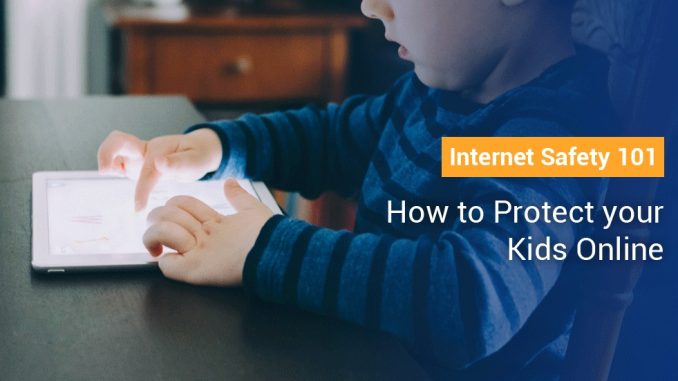
In today’s hyper-connected world, the internet is an integral part of childhood. From educational platforms and social media to gaming and video streaming, children are engaging with digital content earlier and more frequently than ever before. While this opens up exciting opportunities for learning and creativity, it also introduces a host of risks that parents and guardians must navigate with care. Protecting kids online is no longer a matter of installing a simple filter—it requires a thoughtful, proactive approach that blends technology, communication, and trust.
One of the most important steps in safeguarding children online is fostering open dialogue. Kids need to feel comfortable discussing their digital experiences without fear of punishment or judgment. When a child encounters something unsettling—be it cyberbullying, inappropriate content, or a suspicious message—they’re more likely to seek help if they know their concerns will be met with understanding. This kind of trust doesn’t happen overnight. It’s built through consistent conversations about what they’re doing online, who they’re interacting with, and how they’re feeling about those interactions. For example, a parent might ask about a new game their child is playing and use that as a springboard to talk about in-game chat features and the importance of not sharing personal information.
Technology can be a powerful ally in this effort, but it’s not a substitute for parental involvement. Tools like parental controls, content filters, and monitoring apps can help limit exposure to harmful material and track usage patterns. However, these tools are most effective when paired with clear expectations and guidance. A child who understands why certain websites are blocked or why screen time is limited is more likely to respect those boundaries. Moreover, as children grow older and gain more autonomy, the focus should shift from restriction to education. Teaching kids how to recognize phishing attempts, spot fake profiles, and report abuse empowers them to take control of their own safety.
The challenge becomes even more complex when children begin using social media. Platforms like Instagram, TikTok, and Snapchat are designed to be engaging and immersive, often encouraging users to share personal content and connect with strangers. While these platforms can foster creativity and social connection, they also expose children to risks such as online predators, peer pressure, and privacy breaches. Parents should take time to understand how these apps work, including their privacy settings and content moderation policies. By doing so, they can guide their children in making informed choices—like setting profiles to private, being selective about followers, and thinking twice before posting photos or videos.
Another critical aspect of online safety is helping children develop a healthy relationship with technology. The internet is not inherently good or bad—it’s a tool, and its impact depends on how it’s used. Encouraging balance is key. Children should have time for offline activities like sports, reading, and face-to-face interactions. This not only reduces screen fatigue but also helps them build social and emotional skills that are harder to develop in digital spaces. For instance, a child who spends hours scrolling through curated images on social media may begin to feel inadequate or anxious. By promoting diverse experiences and encouraging self-reflection, parents can help kids maintain perspective and resilience.
Cyberbullying is another area where vigilance is essential. Unlike traditional bullying, which is often confined to school grounds, cyberbullying can follow a child home and persist around the clock. It can take many forms—mean comments, exclusion from online groups, or the spreading of rumors—and its effects can be deeply damaging. Parents should watch for signs of distress, such as sudden changes in mood, withdrawal from activities, or reluctance to use devices. If cyberbullying is suspected, it’s important to document the behavior, report it to the platform, and seek support from school officials or mental health professionals. Equally important is teaching children to be kind and respectful online, reinforcing the idea that digital interactions have real-world consequences.
Ultimately, protecting kids online is about equipping them with the tools and confidence to navigate the digital world safely and responsibly. It’s a shared journey that evolves as technology changes and children grow. By staying informed, maintaining open lines of communication, and modeling good digital habits, parents can create an environment where children feel supported and secure. The goal is not to shield them from every possible risk, but to prepare them to face challenges with awareness and integrity. In doing so, we help them become not just safe internet users, but thoughtful digital citizens.
Sources: