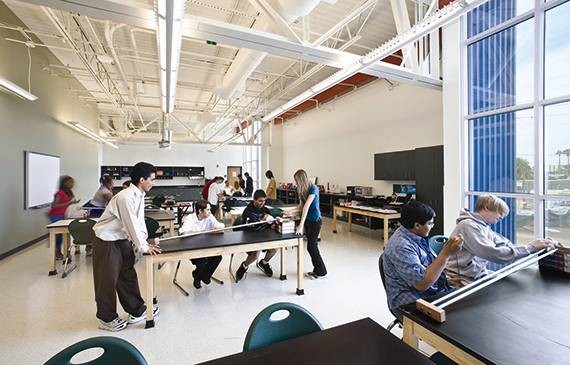
Designing spaces for collaborative learning requires more than arranging furniture or installing whiteboards. It’s about shaping environments that encourage interaction, spark curiosity, and support the messy, dynamic process of learning together. In today’s business landscape, where innovation often emerges from cross-disciplinary dialogue and shared problem-solving, the physical and digital spaces we inhabit play a critical role in how effectively we collaborate. A well-designed space doesn’t just accommodate learning—it invites it. It nudges people toward connection, lowers barriers to participation, and makes it easier to share ideas, challenge assumptions, and build something new together.
The first principle in designing for collaborative learning is recognizing that learning is social. People learn best when they’re engaged in conversation, when they can bounce ideas off one another, and when they feel safe to ask questions or admit confusion. That means the space itself needs to foster psychological safety. It should feel open, inclusive, and flexible. A room with rigid rows of desks facing a single speaker sends a message: listen, don’t speak. In contrast, a space with movable furniture, circular seating arrangements, and multiple focal points encourages dialogue. It says, “Your voice matters here.”
Flexibility is key. Collaborative learning doesn’t follow a script, and the space should be able to adapt to different group sizes, activities, and energy levels. Sometimes a team needs to huddle around a table and sketch out ideas. Other times, they need to spread out, move around, or break into smaller groups. Spaces that allow for reconfiguration—whether through modular furniture, writable surfaces, or mobile technology—support this fluidity. They make it easier for people to shift modes, from brainstorming to prototyping to reflecting, without friction. That adaptability keeps momentum alive and helps ideas evolve organically.
Technology also plays a vital role, but it should serve the collaboration, not dominate it. Screens, projectors, and digital tools can enhance learning when they’re integrated thoughtfully. For example, a shared digital canvas can allow remote participants to contribute in real time, leveling the playing field between in-person and virtual collaborators. But if the tech becomes a barrier—too complicated, too glitchy, or too central—it can stifle interaction. The goal is to make technology invisible, in the sense that it supports the flow of conversation and creativity without drawing attention to itself. When done right, it extends the space rather than constraining it.
Designing for collaborative learning also means paying attention to the sensory experience. Light, sound, temperature, and color all influence how people feel and behave. Natural light can boost energy and focus, while harsh fluorescent lighting might dampen engagement. Acoustics matter too—if people can’t hear each other clearly, collaboration suffers. Thoughtful design includes sound-absorbing materials, quiet zones for reflection, and open areas for energetic discussion. Even color can play a role. Warm tones might encourage comfort and openness, while cooler hues can promote concentration. These elements aren’t just aesthetic—they’re functional, shaping the emotional climate of the space.
Culture and space are intertwined. A collaborative learning space reflects and reinforces the values of the organization. If a company says it values teamwork but offers only closed offices and rigid schedules, the space tells a different story. On the other hand, when the environment aligns with the culture—when it invites experimentation, supports diversity of thought, and celebrates shared learning—it becomes a powerful tool for transformation. Employees begin to see collaboration not as a task but as a way of being. They bring their full selves to the table, knowing that the space was designed with them in mind.
One compelling example of this principle in action is the rise of innovation labs within companies. These are dedicated spaces where teams can come together to explore new ideas, test prototypes, and learn from failure. They’re often designed with movable walls, writable surfaces, and a mix of formal and informal seating. The layout encourages movement and interaction, while the atmosphere signals that it’s okay to take risks. These labs aren’t just physical spaces—they’re cultural statements. They say, “We believe in learning through doing, and we’ve built a place where that can happen.”
Education institutions have long understood the power of space in shaping learning outcomes, and businesses are beginning to catch up. Whether it’s a startup co-working space or a corporate training center, the principles remain the same. Design for connection. Design for flexibility. Design for comfort. And most importantly, design with people in mind. When employees walk into a space and feel energized, welcomed, and inspired, collaboration becomes second nature. Learning becomes a shared journey, not a solitary task.
Ultimately, designing spaces for collaborative learning is about creating environments that reflect how people actually learn. It’s about moving beyond static classrooms and sterile conference rooms to spaces that breathe, adapt, and invite participation. It’s about recognizing that collaboration is not just a skill—it’s a behavior shaped by context. And when the context is right, when the space supports openness, movement, and mutual respect, learning flourishes. Ideas flow more freely, relationships deepen, and innovation becomes a collective achievement. That’s the power of thoughtful design, and it’s a power every business can harness.