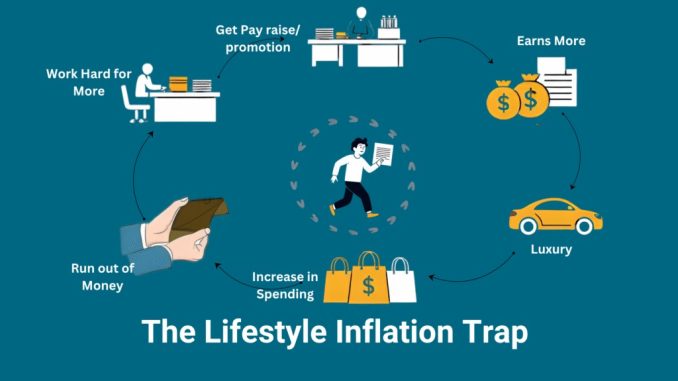
Lifestyle inflation is one of those subtle financial traps that often goes unnoticed until it begins to erode your long-term stability. It tends to creep in quietly, usually following a raise, a promotion, or any increase in income. Suddenly, the things that once felt like luxuries become necessities, and spending begins to rise in tandem with earnings. While it’s natural to want to enjoy the fruits of your labor, unchecked lifestyle inflation can sabotage savings goals, delay financial independence, and create a cycle where more income never quite feels like enough. Protecting yourself from it requires awareness, intention, and a commitment to living below your means—even when you don’t have to.
The first step in guarding against lifestyle inflation is recognizing its emotional appeal. When income increases, so does the temptation to upgrade. A nicer apartment, a newer car, more frequent dining out—these choices often feel like deserved rewards. And in many cases, they are. But the danger lies in making these upgrades automatic rather than deliberate. If every financial gain is immediately matched with higher spending, the opportunity to build wealth diminishes. Instead of using extra income to create financial breathing room, it gets absorbed into a more expensive lifestyle, leaving little margin for savings or investment.
One way to counter this tendency is to establish a clear vision of what financial success looks like for you. That vision should go beyond material comforts and reflect deeper goals—freedom, security, flexibility, or impact. When you’re anchored to a purpose, it becomes easier to resist the pull of instant gratification. For example, if your goal is to retire early or start your own business, every dollar saved brings you closer to that reality. That perspective transforms saving from a sacrifice into a strategy. It also helps you evaluate spending decisions more critically, asking whether they support or distract from your larger objectives.
It’s also important to understand that lifestyle inflation isn’t just about big-ticket items. It often manifests in small, recurring choices that add up over time. A daily coffee upgrade, a subscription you barely use, or a habit of impulsive online shopping can quietly inflate your baseline expenses. These incremental changes may seem harmless, but they can significantly impact your financial trajectory. By regularly reviewing your spending and identifying patterns, you can catch inflation early and make adjustments before it becomes entrenched. This kind of financial mindfulness doesn’t mean living in austerity—it means staying in control.
Social comparison is another driver of lifestyle inflation. As your peer group evolves, so do the norms around spending. It’s easy to feel pressure to keep up, especially when success is measured by visible markers like homes, cars, or vacations. But chasing someone else’s lifestyle rarely leads to satisfaction. In fact, it often leads to stress and debt. Protecting yourself means cultivating a sense of contentment and confidence in your own path. That might involve redefining what luxury means to you or finding joy in experiences rather than possessions. When your values guide your spending, you’re less likely to be swayed by external expectations.
Automating your financial priorities can also be a powerful defense against lifestyle inflation. When savings, investments, and debt payments are set up to happen automatically, they become non-negotiable parts of your budget. This ensures that your financial goals are funded before discretionary spending begins. It also creates a structure that supports discipline without requiring constant effort. Over time, this approach builds momentum and reinforces good habits. You begin to see progress not just in your bank account, but in your confidence and peace of mind.
In business, the concept of lifestyle inflation has a parallel in operational spending. As revenue grows, companies often expand their budgets, hire more staff, or invest in new tools. While growth can justify increased spending, it’s important to ensure that expenses remain aligned with strategic goals. Just as individuals can fall into the trap of spending more simply because they earn more, businesses can lose efficiency and focus if they don’t manage growth intentionally. Leaders who prioritize lean operations and reinvest profits wisely often build more resilient organizations. The discipline to resist unnecessary upgrades is just as valuable in business as it is in personal finance.
Ultimately, protecting yourself from lifestyle inflation is about creating a financial life that’s intentional rather than reactive. It’s about making choices that reflect your values, support your goals, and preserve your flexibility. It’s not about denying yourself comfort or enjoyment—it’s about ensuring that those things don’t come at the expense of your future. When you approach spending with clarity and purpose, you gain more than financial stability. You gain the freedom to pursue what matters most, without being tethered to a lifestyle that constantly demands more. And in a world that often equates success with consumption, that kind of freedom is a rare and powerful achievement.