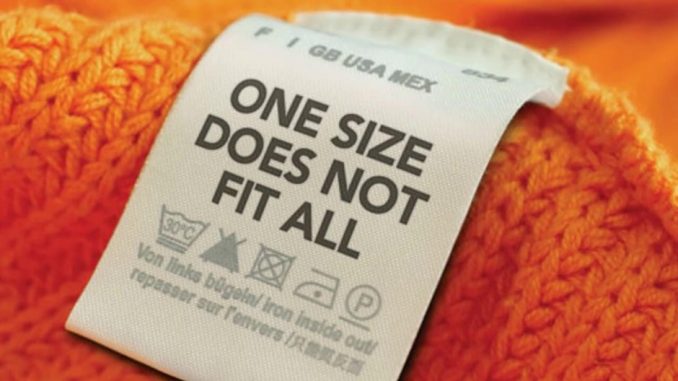
The concept of wellness has evolved dramatically over the past decade, shifting from a generalized approach to one that increasingly values personalization. Gone are the days when a single diet plan, fitness regimen, or stress-reduction technique was expected to work for everyone. Today, the conversation around wellness recognizes that individuals have unique needs shaped by genetics, lifestyle, environment, and even professional demands. For business leaders and entrepreneurs, this shift is more than a cultural trend—it’s a signal that the future of health and productivity lies in customization. Understanding and embracing personalized wellness can lead to more effective teams, resilient organizations, and a deeper connection between companies and the people they serve.
At the heart of personalized wellness is the recognition that human biology is not uniform. Two people may follow the same diet and exercise routine yet experience vastly different outcomes. One might lose weight and gain energy, while the other struggles with fatigue and plateaus. This divergence often stems from differences in metabolism, hormonal balance, microbiome composition, and genetic predispositions. Advances in technology, such as wearable devices and DNA testing, have made it possible to identify these differences with increasing precision. As a result, wellness programs that once relied on broad recommendations are now being tailored to individual profiles, offering targeted interventions that are more likely to succeed.
Consider the workplace, where wellness initiatives have become a staple of employee engagement strategies. Traditional programs might offer gym memberships, meditation apps, or healthy snacks in the breakroom. While well-intentioned, these offerings often assume a one-size-fits-all model that overlooks personal preferences and constraints. An employee managing a chronic condition may need a different kind of support than one training for a marathon. Someone working night shifts may have different nutritional and sleep needs than a colleague on a nine-to-five schedule. By investing in personalized wellness solutions—such as flexible fitness options, individualized coaching, or adaptive mental health resources—companies can foster a culture of inclusivity and empowerment. Employees feel seen and supported, which translates into higher morale and better performance.
The business case for personalized wellness is compelling. Studies show that tailored health interventions lead to greater adherence and better outcomes. When people feel that a wellness plan reflects their specific circumstances, they’re more likely to engage with it consistently. This has direct implications for productivity, absenteeism, and healthcare costs. For example, a company that uses biometric screenings to identify employees at risk for diabetes can offer targeted nutritional counseling and activity tracking, potentially preventing costly complications down the line. Beyond the numbers, personalized wellness builds trust. It signals that an organization values its people not just as workers, but as individuals with complex lives and needs.
From a consumer perspective, personalization is becoming an expectation. Wellness brands that offer customizable products—whether it’s supplements, skincare, or fitness plans—are gaining traction. Consumers want to feel that their choices are informed by data and aligned with their goals. This shift is particularly relevant in the digital space, where algorithms can curate wellness experiences based on user behavior and feedback. Businesses that harness this capability can create more meaningful interactions and foster long-term loyalty. However, personalization must be handled with care. It requires transparency, ethical data use, and a commitment to continuous improvement. A wellness app that recommends dietary changes based on user input must ensure that its advice is evidence-based and sensitive to cultural and medical nuances.
The rise of personalized wellness also challenges traditional metrics of success. Instead of focusing solely on weight loss or productivity gains, it encourages a broader view of health that includes emotional well-being, sleep quality, and social connection. This holistic perspective aligns with emerging models of leadership that prioritize empathy, adaptability, and human-centered design. Leaders who embrace personalized wellness are better equipped to support their teams through change, uncertainty, and growth. They understand that well-being is not a checkbox but a dynamic process that requires listening, learning, and flexibility.
In practice, implementing personalized wellness can start small. It might involve offering employees a choice of wellness benefits, conducting regular feedback sessions, or partnering with providers who specialize in individualized care. The key is to move away from assumptions and toward curiosity. What works for one person may not work for another, and that’s not a failure—it’s an invitation to explore. Businesses that adopt this mindset can create environments where wellness is not just a perk but a shared responsibility and a source of innovation.
Ultimately, the shift toward personalized wellness reflects a deeper truth: people are diverse, and their paths to health and fulfillment are equally varied. By acknowledging this complexity and designing systems that honor it, businesses can unlock new levels of engagement, creativity, and resilience. In a world that often seeks efficiency through standardization, personalized wellness reminds us that the most effective solutions are often the most human. And in embracing that humanity, we build not only healthier individuals but stronger, more responsive organizations.